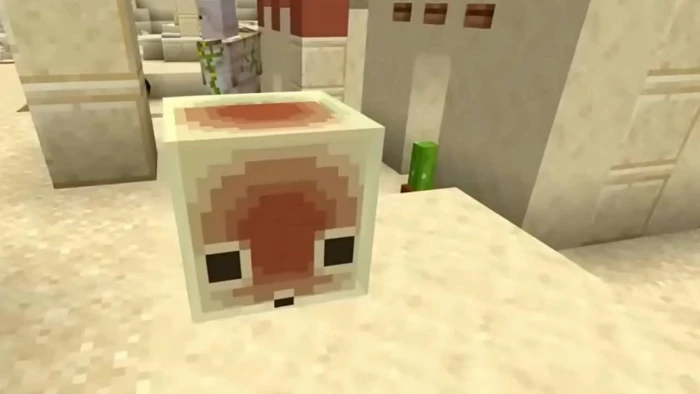
Minecraft Chaos Cubed is one of the most experimental update directions introduced in the Bedrock 1.26 development cycle. Instead of focusing on a large number of unrelated features, this update is built around a single idea — creating systems where blocks, mobs, and the environment interact with each other. For beginners, this means that gameplay becomes less about memorizing mechanics and more about understanding how different elements influence one another.
Chaos Cubed is a themed update that introduces interconnected mechanics rather than isolated content. It focuses on underground exploration, environmental hazards, and new types of interaction between players and the world.
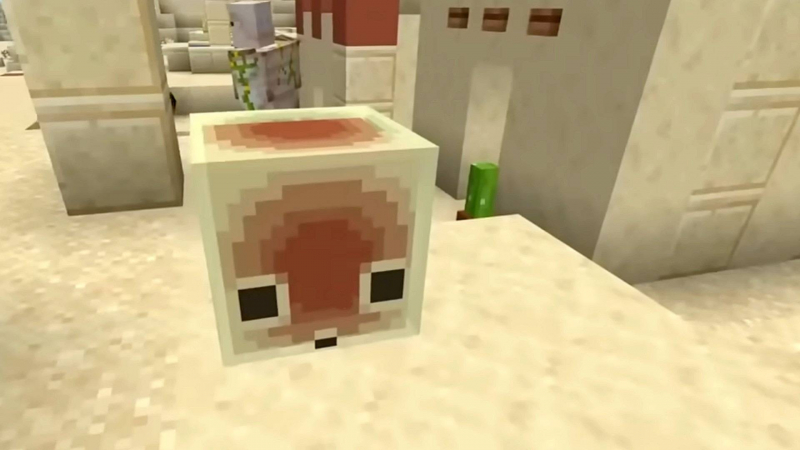
The update includes features such as sulfur caves, potent sulfur blocks, and the sulfur cube mob. These elements are designed to work together, forming a system where terrain, effects, and entities influence gameplay simultaneously.
Early versions of Chaos Cubed features became available in Bedrock builds that players can test on Android when they download Latest Edition Minecraft PE.
The key concept of this update is interaction. Instead of static systems, Minecraft introduces mechanics that react to player actions and environmental conditions.
In Chaos Cubed, caves are no longer just spaces for mining. They become dynamic areas where gas, terrain, and mobs create changing conditions. This makes exploration more unpredictable and requires a different approach to survival.
The Chaos Cubed update is built around several major components that define its gameplay:
● Sulfur caves as a new underground biome
● Potent sulfur blocks that generate gas effects
● The sulfur cube mob with adaptive behavior
● Expanded interaction between terrain and gameplay systems
These features are not separate additions — they are designed to function together as a single system.
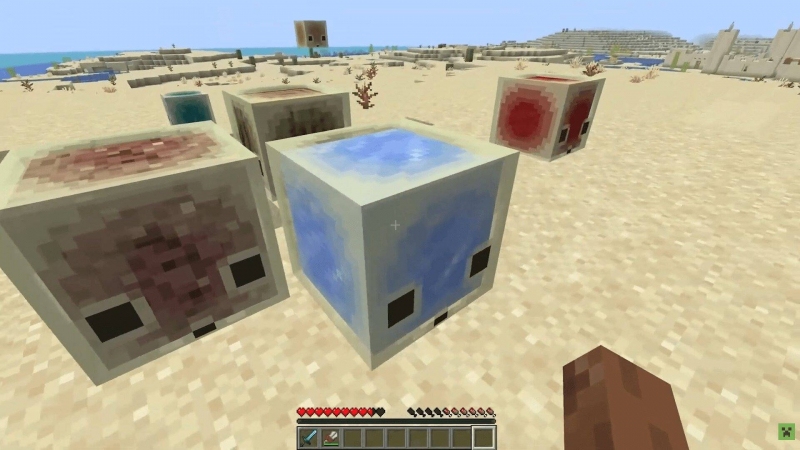
The update shifts gameplay away from traditional patterns. Instead of focusing only on gathering resources, players must now adapt to environmental conditions.
This includes:
– navigating gas-filled areas
– reacting to changing terrain conditions
– interacting with dynamic mobs
– choosing safer routes instead of direct paths
As a result, exploration becomes more strategic and less predictable.
| Aspect | Previous updates | Chaos Cubed |
| Focus | New items and mobs | Systems and interaction |
| Cave exploration | Resource-based | Environment-based |
| Mob behavior | Static | Adaptive |
| Player strategy | Combat and mining | Positioning and awareness |
For beginners, Chaos Cubed changes how the game is learned. Instead of memorizing crafting recipes or mob behavior, players begin to understand systems and patterns.
This helps build a deeper understanding of the game world and encourages experimentation. Even simple exploration becomes more engaging because the environment itself reacts to player presence.
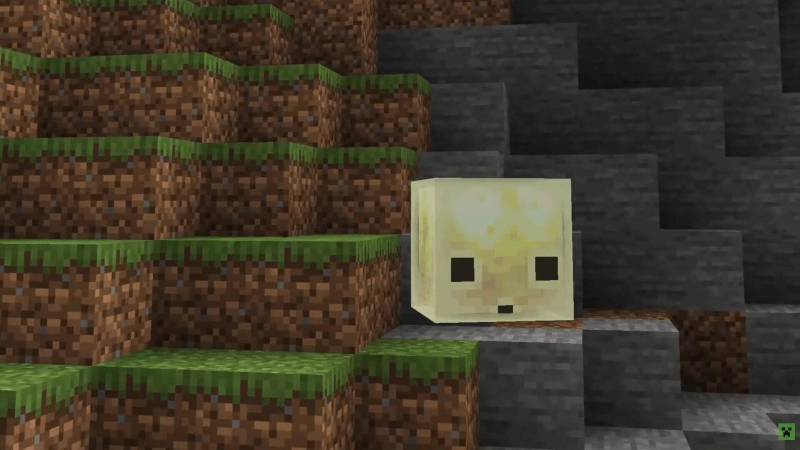
Starting with Chaos Cubed does not require special preparation, but understanding its mechanics early makes exploration much easier. Since the update focuses on environmental interaction, beginners should approach caves more carefully and observe how the world reacts instead of rushing forward.
For players encountering these mechanics for the first time, the most effective strategy is to slow down exploration and pay attention to visual and environmental signals.
● watch particle effects to identify hazardous zones
● avoid staying too long in gas-filled areas
● choose wider paths instead of narrow tunnels
● observe how mobs behave before interacting with them
These simple adjustments make a significant difference when dealing with new systems introduced in the update.
Sulfur caves are one of the main locations where Chaos Cubed mechanics are active. For beginners, the safest approach is to treat these caves as high-risk zones.
Short movements, constant repositioning, and avoiding direct exposure to gas sources are key principles. Open spaces are generally safer than tight corridors, as they allow better visibility and movement control.
The sulfur cube is one of the most unique elements of Chaos Cubed. Beginners should not treat it as a threat but rather as an interactive entity.
Instead of attacking it, observing how it reacts to blocks and environment provides insight into how the system works. This helps players understand the core idea of the update — interaction over combat.
A typical situation in Chaos Cubed might involve entering a cave where visibility is reduced due to gas. Instead of continuing forward, a player may need to step back, find a clearer path, and approach the area from a different angle.
This type of decision-making replaces the usual approach of simply moving forward and fighting mobs, making gameplay more strategic.
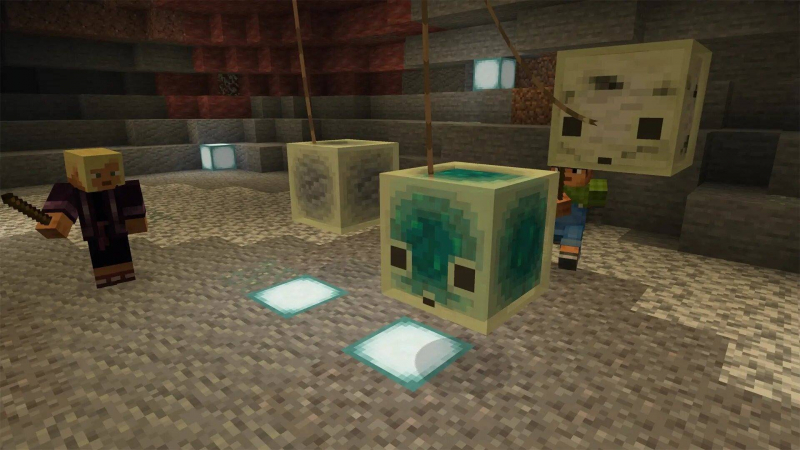
The mechanics of Chaos Cubed were first shown in early demonstrations where developers demonstrated sulfur caves and the sulfur cube, highlighting how new systems interact with each other. These previews helped explain how environment, blocks, and mobs are combined into a single gameplay system.
Chaos Cubed makes Minecraft more engaging for new players by introducing systems that are easy to understand but deep in practice. Instead of overwhelming players with content, it encourages gradual learning through interaction.
This results in:
– better understanding of game mechanics
– more engaging exploration
– less reliance on memorization
– more freedom in gameplay decisions
As part of an ongoing development cycle, Chaos Cubed features are still evolving. Some mechanics may feel unfinished or inconsistent, especially in beta builds.
Players may encounter changes between versions, including adjustments to gas behavior, mob interaction, and cave generation.
It is an update focused on interaction between environment, blocks, and mobs.
It currently appears mainly in beta and preview versions.
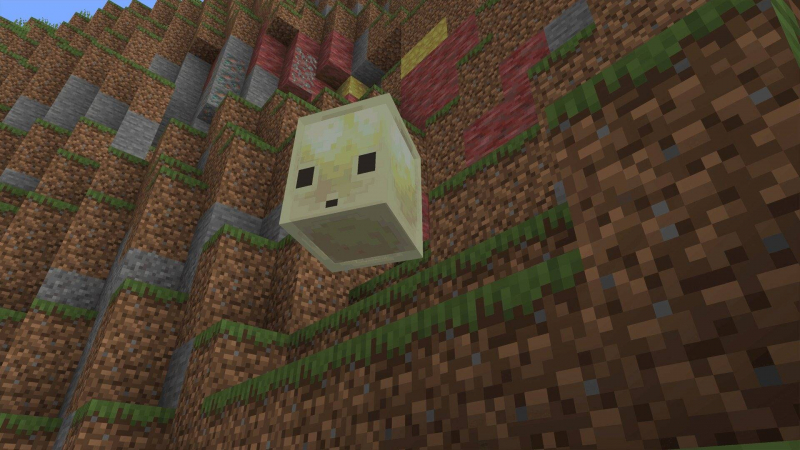
They are new underground biomes with gas mechanics and unique blocks.
It creates gas effects that affect players inside caves.
A mob that changes behavior depending on absorbed blocks.
Be the first to post comment!

The Aviator is often described as a simple game: a plane takes off, a multiplier...
Sakshi Dhingra3 months ago

When a flashy app promises easy money, it’s tempting to give it a try. That’s ex...
Sakshi Dhingra7 months ago

If you’ve been hooked on Wordle or Connections, you’ve probably noticed the buzz...
Sakshi Dhingra7 months ago

The Rise of Third-Party MarketplacesWith the growing demand for in-game currency...
Sakshi Dhingra7 months ago

As a gamer who loves discovering new titles but doesn’t always want to spend a f...
Sakshi Dhingra7 months ago

When boredom strikes, there’s nothing more satisfying than slipping into a quick...
Vaishali8 months ago