
Buying website traffic sounds simple: pay, get clicks, watch the numbers go up. And sure—your sessions chart will look alive again.
But “alive” isn’t the same as “valuable.”
If you’ve ever boosted traffic and still felt like nothing moved (no sign-ups, no sales, no decent leads), you already know the trap: you bought motion, not momentum. The fix isn’t “never buy traffic.” It’s buying it with a checklist that forces reality into the plan—before the budget disappears.
Most wasted spend happens because we treat “traffic” like a product. It’s not. Traffic is a delivery mechanism. What you’re really buying is:
● a specific audience
● in a specific context
● taking a specific action
● at a cost you can defend
So before you even open an ad dashboard, write these down in plain language:
1. What’s the one conversion you care about this week?
Not “awareness.” Something trackable: demo request, add-to-cart, email signup, free trial start.
2. What’s your definition of a bad lead?
Example: “Outside our target countries,” “uses a personal email,” “never reaches pricing,” or “bounces in under 10 seconds.”
3. What’s the budget you can afford to lose?
Because your first test is a learning purchase, not a profit center. If you can’t stomach losing it, it’s too big.
Before you pick a channel, be honest about who you’re trying to reach and what you want them to do. If you’re not sure what the common options even are, this overview of where people buy targeted website traffic is a decent starting point—then just choose one channel to test properly instead of spreading a small budget across five places.
Concrete example:
If you sell a B2B tool with a $2,000 annual contract, cold traffic from certain placements might deliver clicks, but not intent. In that case, your first test should aim for a micro-conversion (newsletter signup, calculator usage, webinar registration) before you try to force demo requests from strangers who don’t even know what you do yet.

Here’s the uncomfortable truth: if you can’t tell where a user came from and what they did, you can’t confidently call spend “wasted.” You can only call it “unknown.”
So the checklist gets boring for a minute—because boring is where you save money.
At minimum, tag: source, medium, campaign, and creative. If you’re buying from multiple placements or inventory groups, add a placement parameter too. You want to be able to say, “This specific pocket of traffic is bad,” not “Paid traffic is bad.”
A click is easy. A pageview is easier. A conversion should require intent.
Try one of these:
● “Viewed pricing + stayed 30 seconds”
● “Visited 3+ pages”
● “Scrolled 60% on the landing page”
● “Started checkout”
● “Submitted form with business email”
If you’re not sure what tools to use for that kind of measurement stack, this roundup of Google tools for productivity and marketing is handy for mapping out what can plug into your workflow without adding five new subscriptions.
Even legit sources can include junk. Google describes invalid traffic as activity that artificially inflates clicks or impressions (fraudulent or accidental), and it’s a useful mental model when your charts look “great,” but your business feels nothing. A quick skim of Google’s own explanation of invalid traffic will help you sanity-check what you’re seeing.
These take 10 minutes and catch a lot:
● Landing page replay/heatmaps: Are people scrolling and clicking like humans? Or bouncing instantly?
● New vs returning users: Real prospects often come back. Junk traffic rarely does.
And yes—sometimes the tracking is the problem. If your conversion event is broken, you can accidentally “prove” a channel doesn’t work when it actually does.
This is where most people either save their budget or burn it.
Bad traffic often looks amazing at first glance. Low CPC. Tons of sessions. Maybe even a high CTR. But the behavior doesn’t match real interest.
Good signs
● time on page that looks human (not 2 seconds)
● scrolling and engagement with FAQs, comparisons, and pricing
● assisted conversions (users return later and convert)
● leads match your “good lead” definition
Red flags
● 90–99% bounce rate with ultra-short sessions
● huge spikes from a single device type you didn’t target
● odd geos you didn’t select
● leads that convert but never activate (classic “empty conversion”)
A common waste pattern is buying cold traffic and expecting bottom-funnel results.
Use this mapping:
● Top funnel: educational content, interactive tools, soft lead magnets
● Mid funnel: comparisons, case studies, webinars, pricing explainers
● Bottom funnel: demos, trials, checkout
If you need a reality check for conversion expectations, HubSpot’s compilation of landing page conversion benchmarks can be a useful yardstick—especially when you’re staring at a 0.2% conversion rate and trying to decide if it’s “normal” or a warning sign.
Harsh but true: traffic amplifies whatever you already have.
Before you scale spend, confirm:
● the offer is obvious in the first screen
● there’s one primary CTA (not five competing buttons)
● proof is visible (reviews, logos, results, guarantees, policies)
● the page loads fast on mobile
On speed: if your page takes forever, you’re paying for people to get annoyed. Google’s guidance around Core Web Vitals is a practical reference for what “fast enough” means in modern browsing habits.
Mini example (landing page mismatch):
Ad promise: “Get your free template.”
Landing page reality: “Book a call.”
You’ll get clicks either way, but you’ll also buy a lot of resentment. That resentment shows up as bounce rate, cheap sessions, and zero revenue.
Here’s a framework that keeps you out of “set it and forget it” trouble.
Split your test spend into:
● Tier A (60%): the most controlled, best-fit targeting you can do
● Tier B (30%): one adjacent channel or placement type
● Tier C (10%): a small experiment (new creative angle, different landing page, different geo)
This way, you aren’t betting everything on one unknown variable, but you still learn something useful.
No vibes. Just rules.
Examples:
● Pause after 200 clicks if no micro-conversions
● Pause any placement with abnormal engagement patterns
● Pause any segment that generates leads that never activate
● Pause if 70%+ of traffic comes from a geo you didn’t intend
If you want a helpful reminder that disciplined measurement is a habit (not a one-off paid exercise), the workflow thinking in this breakdown of an AI-based SEO campaign translates surprisingly well to paid tests: instrument first, observe second, scale last.
When something works, the instinct is to double the budget and hope it keeps working. That’s how you turn a good test into a messy channel.
Instead, tighten first:
● narrow geo and devices to what performed
● exclude low-quality segments
● test a second landing page for the same audience
● build retargeting for “almost” users (pricing viewers, cart starters, repeat visitors)
This is the step people skip—and it’s where the real waste hides.
If your campaign goal is signups, your real goal is activated signups.
Ask:
● Do these leads create accounts and complete onboarding?
● Do they hit a meaningful product milestone?
● Do they become sales-qualified?
This is where social proof and trust cues matter. Even if your traffic is decent, people won’t convert if they don’t believe you’re real. For SaaS, especially, it helps to understand how credibility signals influence behavior, and this look at review platforms and SaaS conversions is a good reference for why “trust” isn’t fluff—it’s a conversion lever.
Concrete “cheap clicks” scenario:
You spend $300 and get 900 clicks at $0.33 CPC. Great… until you see 0 trials.
Instead of “paid doesn’t work,” your checklist says:
● confirm events are firing correctly
● check landing page mismatch (ad promise vs page reality)
● validate geo/device targeting
● review engagement patterns (scroll, time, navigation)
● isolate placements with suspicious behavior
Then you run a second $300 test with tighter targeting and a landing page built for mid-funnel intent (comparison + proof), not a hard “start trial” wall.
That’s how budget stops disappearing and starts turning into a repeatable process.
If you’ve been burned by paid traffic before, it probably wasn’t because “traffic doesn’t work.” It was because the clicks never had a fair shot at turning into something real. Run your next test like you’re buying information, not miracles.
Be the first to post comment!
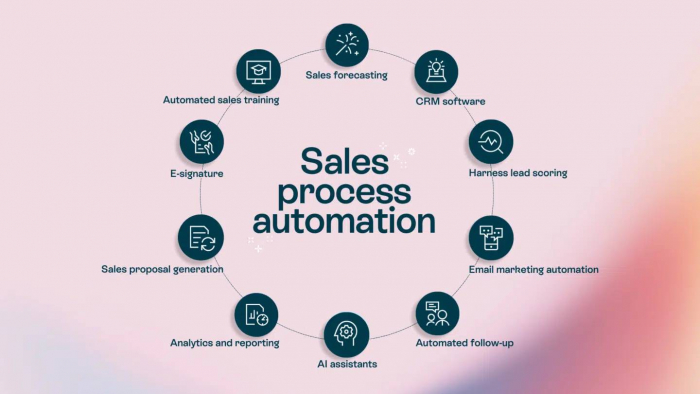
Introduction: Why Sales Automation Is No Longer OptionalToday’s B2B sales enviro...
Michael Hicklen1 month ago

Image search has quietly become one of the most powerful discovery, research, an...
Michael Hicklen1 month ago
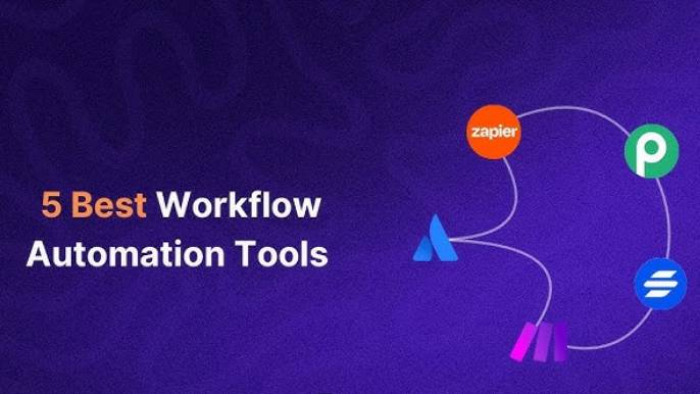
Why Workflow Automation Matters in 2026Automation tools help businesses:● S...
Michael Hicklen2 months ago
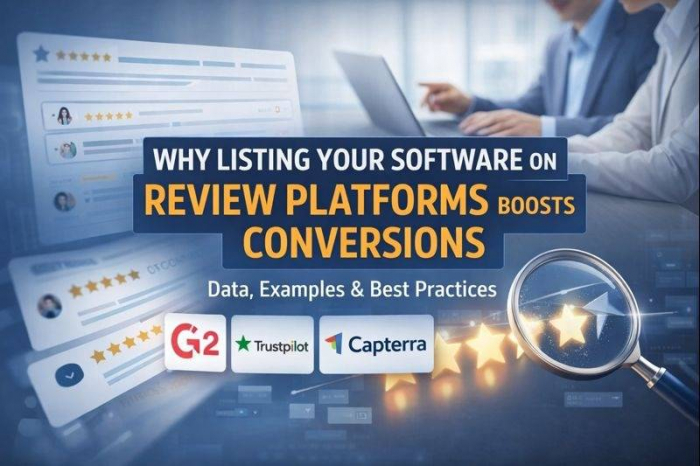
1) Foundations :What software review platforms are-Software review platforms are...
Michael Hicklen2 months ago

1. What AI Automation in Daily Work Actually Means?1.1 AI automation in daily wo...
Michael Hicklen2 months ago
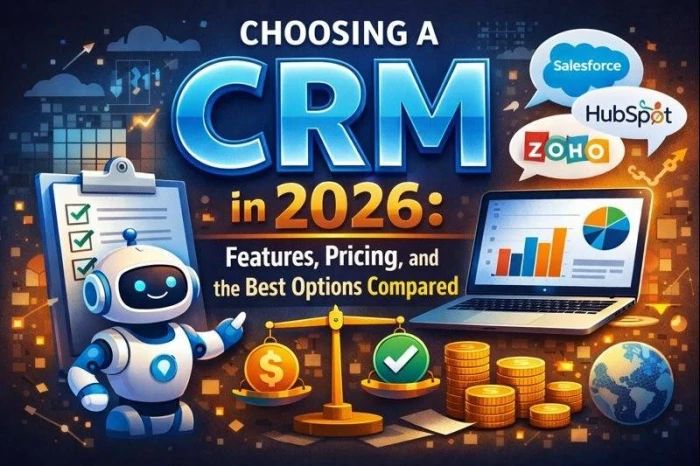
1. What Is a CRM?Definition-A CRM (Customer Relationship Management) system...
Michael Hicklen2 months ago